Category: Impuls

  • HIGH-TECH.NRW

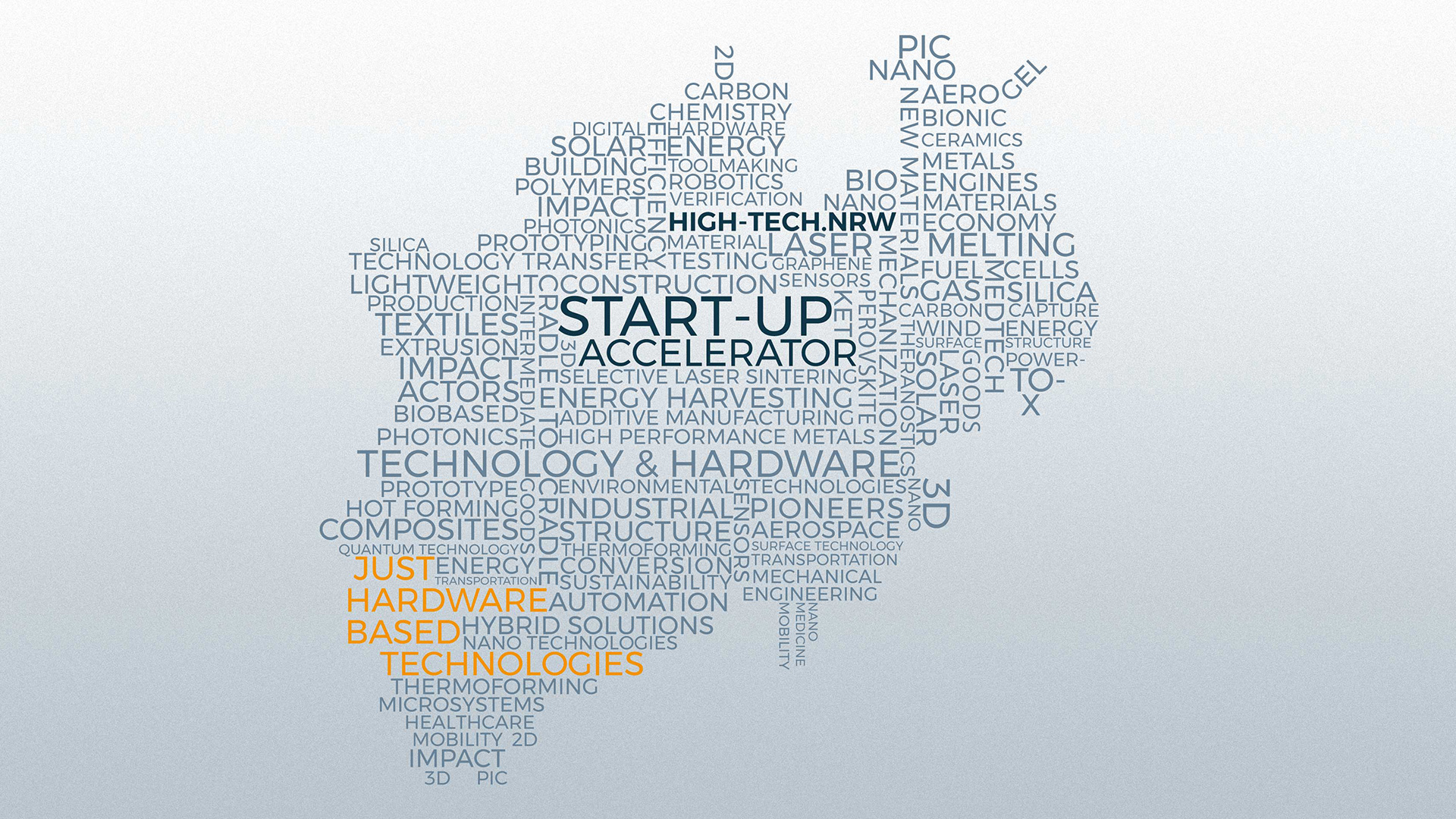
    HIGH-TECH.NRW

    As Germany’s leading materials and high-tech region, North Rhine-Westphalia makes a significant contribution to the competitiveness of the entire European Union in all key markets. However, this can only be achieved if business and academia in North Rhine-Westphalia continuously work hand in hand to develop new, innovative technologies, products, and services that not only secure and improve our future but also make a valuable contribution to addressing major global challenges, such as climate change and societal transformation. This requires perseverance, however, as high-tech innovations are often associated with high risk, significant effort, and substantial capital investment. When I develop something completely new, the market for it often doesn’t exist yet—because there’s nothing comparable available. Accordingly, it’s often startups that lay the foundation for such innovations, where their founders are driven by idealism and creativity to turn their ideas into success. For them, the (further) development of the innovation is the absolute priority.

    The NanoMikroWerkstoffePhotonik.NRW state cluster recognized early on the valuable contribution that founders make to the competitiveness and growth of North Rhine-Westphalia’s economy and has been specifically committed to supporting high-tech startups from the very beginning. The focus here is not primarily on financial support or the provision of technical infrastructure, as young entrepreneurs already receive this through specialized funding programs such as Exist, startup grants, or START-UP TRANSFER.NRW, or through access to technical infrastructure provided by universities. What these creative minds often lack, however, is access to markets and experience in establishing market-ready production processes. Open dialogue with mentors and seasoned entrepreneurs in the high-tech sector, access to pilot customers, and contact with potential investors open up entirely new perspectives—and a new world in which one must first find one’s bearings. These first steps into the business world are often the most important—they are largely responsible for the success or failure of the young company. For this very reason, the NMWP.NRW cluster specializes in providing support during this phase of startup development.

    So even though this topic is nothing new to us, it was the PilotAction of the Interreg Europe project “STEPHANIE” that took these activities to a new level with the “HIGH-TECH.NRW” accelerator—with great success. The feedback from the business, academic, and political communities, as well as from the participating startups, was extremely positive, so we’ve decided to give you a glimpse into the accelerator in this issue of NMWP Magazine—and, above all, to introduce you to these highly innovative young companies.

  • Lightweight construction from NRW

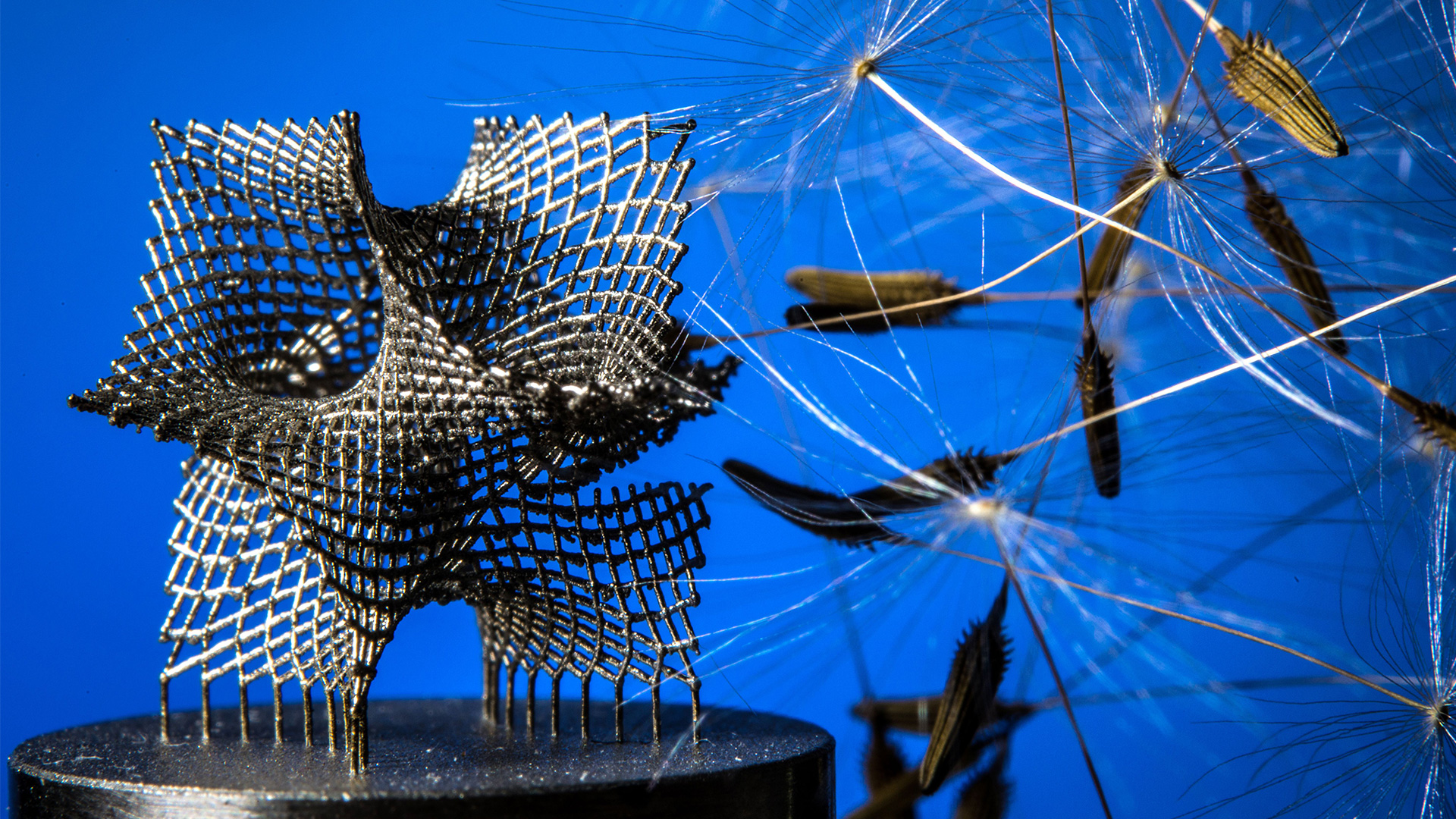
    Lightweight construction from NRW

    In general, lightweight construction has always played an important role in North Rhine-Westphalia, and the expertise of our industry and research community in this field is internationally recognized. However, our leading position and successes cannot be taken for granted. Technology transfer and the “I” in R&D&I activities—innovation—are crucial factors.

    “Lightweight construction is one of the game-changing technologies of the 21st century,” declared Federal Minister of Economics Peter Altmaier—and rightly so, given the major innovations in countless application areas of this technology, which has been an important part of our cluster work for more than 10 years. In modern lightweight construction, the focus is as much on boosting growth and competitiveness as it is on ensuring climate protection and sustainability, as well as increasing resource efficiency and promoting the circular economy. In the Lightweight Construction Technology Transfer Program (TTP LB), North Rhine-Westphalia’s contribution as Germany’s No. 1 materials state became evident in the context of nationwide innovation activities. Numerous innovative project ideas for the TTP LB were developed and submitted through the NMWP.NRW cluster and its networking activities.

    The recently published “North Rhine-Westphalia Innovation Report” also attested to a “vibrant and multifaceted innovation landscape.” As the NMWP.NRW state cluster and the Coordination Office for Quantum Technologies of the State of North Rhine-Westphalia, we are particularly pleased that key technologies such as lightweight construction, nanotechnology, materials, photonics, and quantum technology are among the future fields identified in the innovation report. Not only that, but innovations in nearly all other future-oriented fields—such as energy (technology), ICT, smart manufacturing technologies, medical technology, environmental technology, and so on—are closely linked to the key technologies as areas of application. As you can see, the key technologies of nanotechnology, microsystems technology, new materials, photonics, and quantum technologies play a major role in North Rhine-Westphalia!

    Professor Dr. Andreas Pinkwart, Minister of Economic Affairs, Innovation, Digitalization, and Energy for the State of North Rhine-Westphalia, said in our interview: “We need innovative minds and innovative companies.” As the NMWP.NRW cluster manager, I am convinced that North Rhine-Westphalia has already made a major contribution to lightweight construction through many exciting and innovative solutions, and will continue to do so in the future. To provide a brief glimpse into the diverse contributions of the cluster’s stakeholders in lightweight construction, we have made a point in this magazine of giving a voice especially to the “hidden champions.”

  • Quantum technologies in NRW

    Quantum technologies in NRW

    Last year, the NanoMikroWerkstoffePhotonik.NRW cluster celebrated its tenth anniversary. Recognizing the critical importance of innovation for the competitiveness and future viability of North Rhine-Westphalia’s economy, we recognized early on the significant catalytic effect of key technologies in this context. Therefore, from day one, our goal has been to create a favorable environment for high-tech innovations and to translate them into commercially successful products.

    To this day, we have succeeded in identifying key trends and developments at an early stage and supporting emerging new technologies and their further development from the very beginning. As part of the NMWP.NRW cluster, the Quantentechnologien.NRW (QT.NMWP.NRW) coordination office was launched in early 2019 to strengthen and consolidate all of North Rhine-Westphalia’s activities in the field of quantum technologies. This is an important milestone in our work, as quantum technologies represent an equally important and logical addition to our technology portfolio, and North Rhine-Westphalia is one of Europe’s most important quantum technology hubs. To give you an insight into the excellent expertise already available today in North Rhine-Westphalia’s business and scientific communities in these areas—and, not least, to offer inspiration for your own use of quantum technologies—we have dedicated the current issue of NMWP Magazine entirely to this exciting field.

    One of the highlights of this year’s events will be the 9th NRW Nano Conference, taking place on October 29 and 30 in Münster. Once again this year, numerous international experts will discuss current developments and the potential of nanotechnologies and new materials, as well as their fields of application. More detailed information will be available shortly.

    n the area of key technology applications, we placed a strong emphasis on “lightweight construction” in 2019, for example for automotive applications. With the goal of reducing CO2 emissions, automobiles must become lighter, and production processes must become more efficient and resource-conserving. To assess the current situation and analyze industry needs, we held a strategy workshop with key industry representatives from various sectors amid vintage race cars at the Meilenwerk in Düsseldorf. These findings and requirements were also forwarded to Berlin, where the Federal Ministry for Economic Affairs and Energy (BMWI) is currently developing the future funding instrument known as the “Lightweight Construction Technology Transfer Program.” Here, too, NMWP.NRW played an active role in the development of this nearly 300 million euro funding program. The fact that not only the automotive sector but also the aviation industry is undergoing transformation was demonstrated by the great interest in our second application-oriented impulse workshop, “Innovations and Technologies for the Aviation Industry.” In December 2019, over a hundred experts from industry and academia discussed the potential, risks, and future opportunities for North Rhine-Westphalia in the aviation sector. Here, too, it became clear that many exciting developments are already underway, which we will continue to monitor this year as well.

    2020 promises to be an exciting and innovative year, as the issue of structural change in the Rhineland mining region continues to take shape. By 2038, approximately 15 billion euros are to be invested to secure the electricity supply on the one hand and to replace jobs that will be lost in the future with new ones on the other. The good news is that key technologies will make an important contribution to this effort. For example, the NMWP.NRW cluster became involved early on in the development process of the “Economic and Structural Program 1.0” and highlighted the economic opportunities and potential of key technologies. Thanks in no small part to feedback from many stakeholders in our network, we were able to provide a wealth of ideas that are now reflected in the Economic and Structural Program 1.0. Join us in shaping the future of North Rhine-Westphalia and the Rhineland mining region.

  • From lab to fab

    From lab to fab

    Innovation is the key driver of our economy. For an industrial state like North Rhine-Westphalia—with such a critical focus on the field of new materials—it is especially important to use new products every day to maintain or, better yet, strengthen our current position in the international arena. As key enablers of innovation, new materials—as well as other cross-cutting technologies such as nanotechnology, microsystems technology, and photonics—make valuable contributions to addressing global challenges and developing new technologies and applications for innovative, commercially successful products.

    Research and development infrastructures provide—especially for small and medium-sized enterprises as well as startups—crucial support for innovation by offering not only infrastructure but also services. This is intended, among other things, to reduce the financial risk for innovative companies and increase their innovation potential. For this reason, in this issue we present several exemplary institutions with different technological focuses.

    Startups and new ventures in the field of key technologies, in particular, face unique challenges. Providing sustainable support for such projects requires a specialized understanding of technology and the industry—an understanding that is often lacking in many “general” support structures in this sector. That is why I am pleased to announce today that the NMWP.NRW cluster is currently preparing an accelerator program specifically aimed at founders in the high-tech sector. This is an important step for all NRW founders in the field of key technologies. We will publish further information on this at a later date.

    In addition, this issue features a review of the 8th NRW Nano Conference, which—not least due to the expansion of its scope to include the field of new materials and their resulting applications—was once again a resounding success. Building on this success, we have already begun planning the 9th NRW Nano Conference, which will take place in Münster in 2020.

    Last but not least, the official kickoff event for “ROCKET Reloaded” took place on June 18. With this Interreg VA project, we aim to build on the great success of the “ROCKET” project. To this end, there will be another open call this fall, during which you can submit your cross-border project idea—based on key technologies—in the fields of health, energy, and manufacturing.

  • NMWP.NRW projects as drivers of innovation

    NMWP.NRW projects as drivers of innovation

    Since 2015, eight flagship market competitions—each with two rounds of calls for proposals—have made a significant contribution to promoting innovation and, thereby, to the future growth of North Rhine-Westphalia’s economic strength. In the first round of calls for proposals alone, a total of approximately 250 million euros in funding was provided from the ERDF and the state budget of North Rhine-Westphalia. The imminent end of this funding instrument, which is so important for North Rhine-Westphalia, has prompted us to take a special look in this magazine at the projects behind public research funding.

    Thus, the current NMWP magazine not only provides valuable insight and an overview of current research and development projects in the field of NMWP key technologies, but also serves as a good barometer of the activities of the NMWP.NRW cluster. The projects presented here were all developed within the NMWP.NRW cluster, meaning that our stakeholders and the cluster office were key enablers and drivers of these projects. And I hope you’ll agree with me that this represents a fantastic achievement with great potential for NRW’s future. It should be added that we have organized the articles in the NMWP Magazine according to the principle of “blended networking”: All authors in the magazine and all speakers at the R&D sessions of the 8th NRW Nano Conference have a profile on the NMWP portal (portal.nmwp.de) and can therefore be contacted with minimal effort.

    You can also get a firsthand impression of the projects and the companies, research institutions, and people behind them during the “Leitmarkt.NRW” and “ROCKET” sessions at the 8th NRW Nano Conference.

    I hope this issue of NMWP Magazine will inspire you to shape the future with your own innovation project. We’re happy to help and firmly believe that we can still support even “project pros” and surprise them with new ideas and approaches. Here and there, we can always add a “little something extra” to increase your chances of success, both in the application process and in implementation. Contact us—we’re happy to take on the challenge.

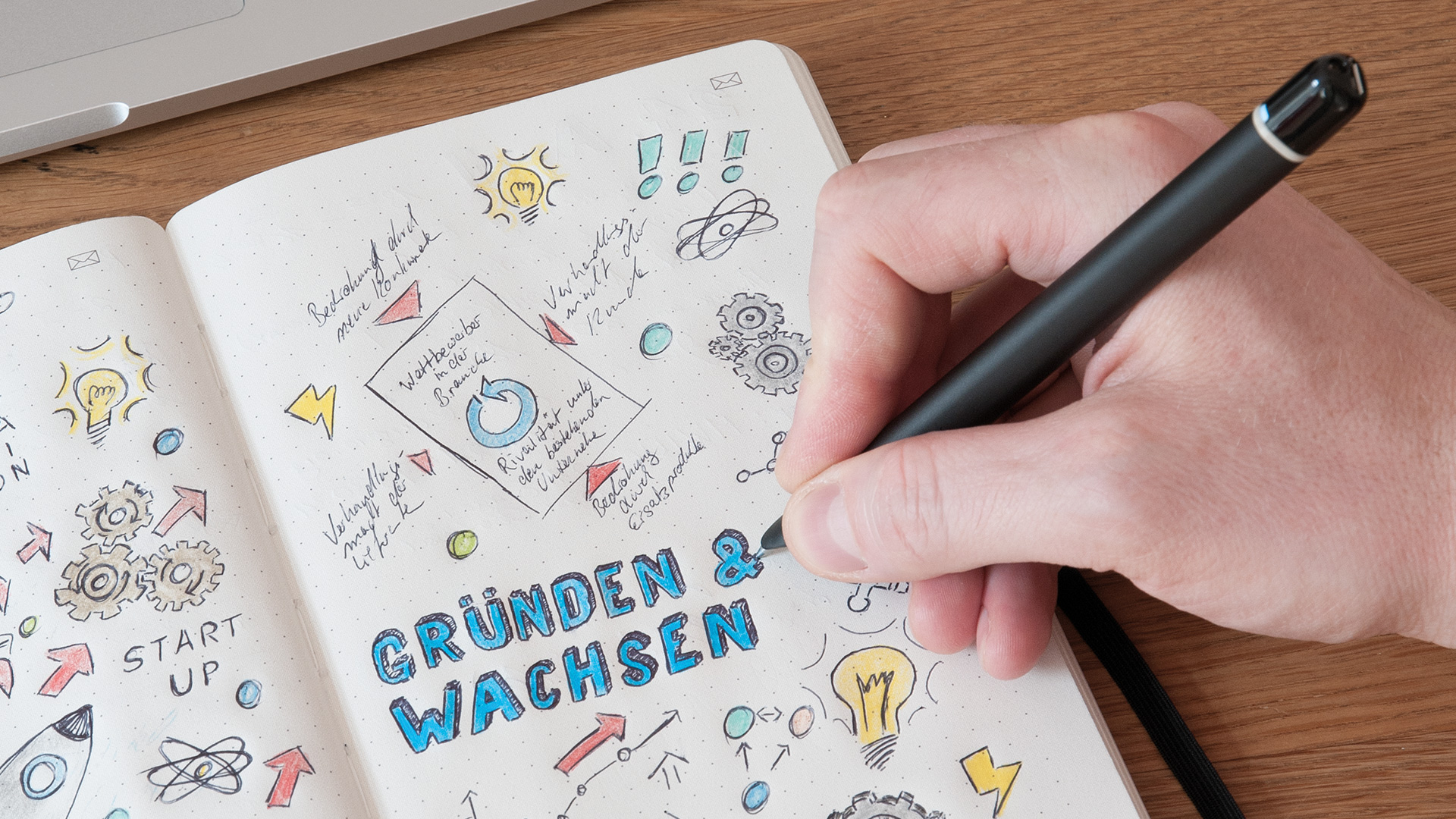
  • Starting & expanding

    Starting & expanding

    Just under a year ago, North Rhine-Westphalia’s Minister of Economic Affairs, Andreas Pinkwart, announced his plan to consolidate the cities in the Rhineland into a major startup hub. “If the startup scene in Aachen, Bonn, Cologne, and Düsseldorf is perceived by investors and customers as a single region, then Berlin and Munich had better watch out,” said the FDP politician. Since then, numerous initiatives have been launched throughout North Rhine-Westphalia to improve the framework conditions for startups and entrepreneurs and to support the growth of existing companies, especially small and medium-sized businesses. It is therefore not surprising that the idea of striking out on one’s own with an innovative concept—whether a product or a service—is being embraced and put into practice by more and more people.

    This positive trend in North Rhine-Westphalia has prompted us to dedicate an issue of our NMWP magazine to the topic “Starting and Growing Businesses in Key Technologies in North Rhine-Westphalia,” ultimately for two reasons:

    The key technologies—nanotechnology, microsystems engineering, and, above all, photonics and the field of new materials—form the technological foundation for many innovative products and are thus among the most important drivers of progress and prosperity in our society—and of our state’s competitiveness—even though they are, admittedly, often overlooked by the general public.

    The second reason for addressing this topic is that “university spin-offs,” startups, and the growth of technology sectors in North Rhine-Westphalia are a central focus of the NanoMikroWerkstoffePhotonik.NRW cluster, which we have been engaged with for a long time. This is because spin-offs and startups are essential for technology transfer from academia to industry and, consequently, for value creation in our state. NMWP.NRW has been supporting and advising startups in the field of key technologies—from the initial idea all the way to market entry—for quite some time now and is increasingly becoming the go-to partner for startups in these relevant fields. With our technology and market expertise and our extensive network, we clearly distinguish ourselves from existing cross-industry and cross-technology offerings. We deliberately choose not to advise on questions such as “Which business structure should I choose?” or “How do I write a business plan?” We provide strategic guidance to startups and open doors to their first potential customers. This is one of the added benefits that stems from NMWP.NRW’s extensive network.

    In this NMWP magazine, we provide an overview of startups in the field of key technologies. In summary, it can be said that North Rhine-Westphalia (NRW) offers an excellent environment for startups and new businesses, thanks to its outstanding research landscape and diverse economy—which includes countless small and medium-sized enterprises, as well as several global players, numerous corporate ventures, NRW.BANK, the High-Tech Gründerfonds, various funding programs, and technical infrastructure such as incubators. In addition, NMWP.NRW supports startups in the field of key technologies and provides guidance on the path to a successful market launch.

  • Photonics offers significant potential for growth and innovation

    Photonics offers significant potential for growth and innovation

    A lot is happening in North Rhine-Westphalia right now. Following the state elections in May, there was a change in government, bringing with it significant changes—not only in the state’s structure but also in its strategic direction. The new government has already stipulated in its coalition agreement that the state should continue to build on its outstanding position in the future, particularly in the fields of nanotechnology, microtechnology, and materials science. However, this—along with the goal of increasing the state’s capacity for innovation (supported by digitalization) and the number of new business start-ups—is not only the objective of the new government but also one of the central tasks of the NMWP.NRW cluster and the NMWP association, so we look forward to a fruitful collaboration with the new state government. We are particularly pleased that we were able to secure an interview with Prof. Dr. Andreas Pinkwart, the new Minister for Economic Affairs, Innovation, Digitalization, and Energy of the State of North Rhine-Westphalia. Just like North Rhine-Westphalia’s first “Digital Minister,” we also place a strong emphasis on the topic of “digitalization” and are constantly developing new features on our NMWP portal to promote digital innovation.

    The central theme of this issue of NMWP Magazine is photonics, a field in which North Rhine-Westphalia is very well positioned in the most forward-looking areas of both business and science. The great significance of this technology sector is also underscored by the VDMA’s latest “Industry Report 2017” and the “Market Research Study Photonics 2017” by Photonics21. It’s no wonder, then, that Dr. Frank Schlie, Head of the “Quantum Technology and Photonics” Division at the Federal Ministry of Education and Research, so clearly emphasized Germany’s strong position in photonics in an international comparison during his conversation with NMWP—and that he aims to achieve the same for quantum technology. North Rhine-Westphalia will play a key role here as well!

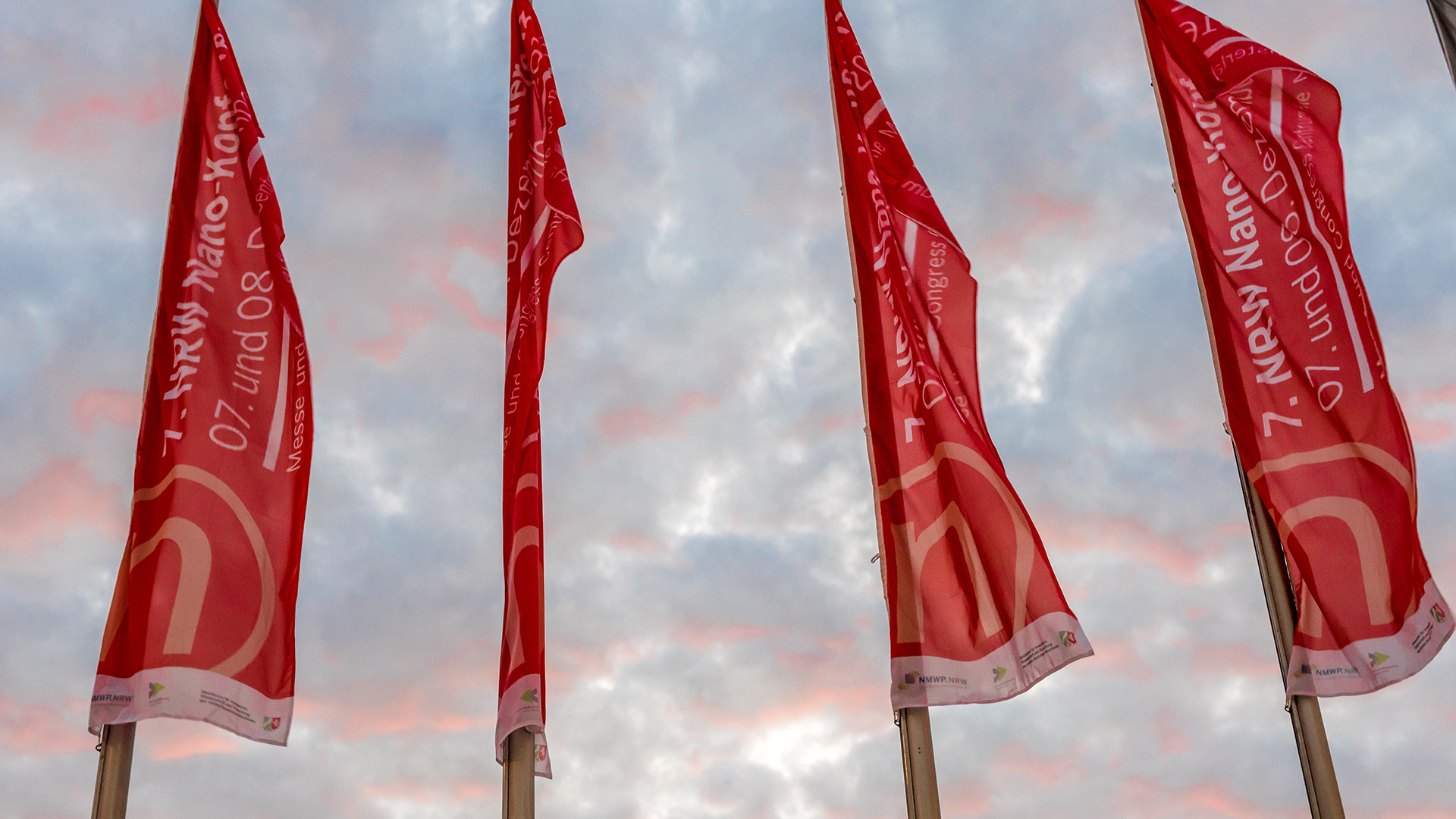
  • 7th NRW Nano Conference sets new standards

    7th NRW Nano Conference sets new standards

    For us, 2017 is all about promoting innovation by initiating and supporting R&D projects. Collaborations and the joint development of innovative services and products are a key factor in ensuring our economic competitiveness. With this goal in mind, we have already provided a wide range of impetus for North Rhine-Westphalia’s future in recent months. Let me give you a few examples: As part of our INTERREG V A project ROCKET, we have already initiated eight projects involving more than 30 partners from industry and academia and supported them through to successful approval. These projects are developing new marketable products that will ensure North Rhine-Westphalia’s strong economic position well into the future. Through our work, numerous new projects have also been successfully initiated and launched in other funding programs, such as the NRW Leading Market Competitions or calls for proposals from the Federal Ministry of Education and Research. Even though this is already good news for the NMWP industry, we want to maintain this momentum.

    We need to inspire even more companies to embrace the idea of collaborative research. Unfortunately, however, we repeatedly find that small and medium-sized enterprises, in particular, struggle to tap into this potential on their own and are therefore unable to take advantage of the significant opportunities offered by such collaborative projects. While the obstacles are many, they are surmountable. With our themed evening planned for early May (see page 46 in this issue), we aim to do our part to break down these barriers. We’ll bring stakeholders together and provide an overview of the wide range of funding opportunities in the NMWP sector. Ultimately, collaborative projects are about increasing efficiency in development and minimizing risk. Take advantage of this opportunity—we’d be happy to support you. Get in touch with us!

  • Green Movement – Grüne Bewegung

    Green Movement – Grüne Bewegung

    It’s done: You’re holding the second issue of NMWP Magazine in your hands. Following the resounding success of the first issue, we can almost call this second issue a tradition. We’ve included many exciting topics and news items from the world of NMWP’s key technologies in this magazine. Our members offer you a glimpse into their innovative technologies, services, and products. At 40 pages, this issue is twice as long as the first one. More information and more innovation for you!

    This issue once again features a special thematic focus: the Green Movement. We want to show you how NMWP stakeholders are working toward North Rhine-Westphalia’s green mobility future. We discuss the current state of affairs and the future of battery technologies with battery experts Prof. Dirk Uwe Sauer from RWTH Aachen University and Prof. Martin Winter. In addition to improving energy storage efficiency, however, the Green Movement is also about reducing the masses that need to be moved. Lightweight construction is the method of choice here. We’ll be talking with two lightweight construction experts—Prof. Thomas Tröster from the University of Paderborn and Prof. Thomas Gries from RWTH Aachen University—about what the future of lightweight construction in North Rhine-Westphalia looks like. In our editorial, we provide examples of how NMWP’s key technologies are the enablers for the Green Movement. The conclusion: Our future of mobility will be electric, lightweight, and green—and North Rhine-Westphalia is playing a key role in shaping it.

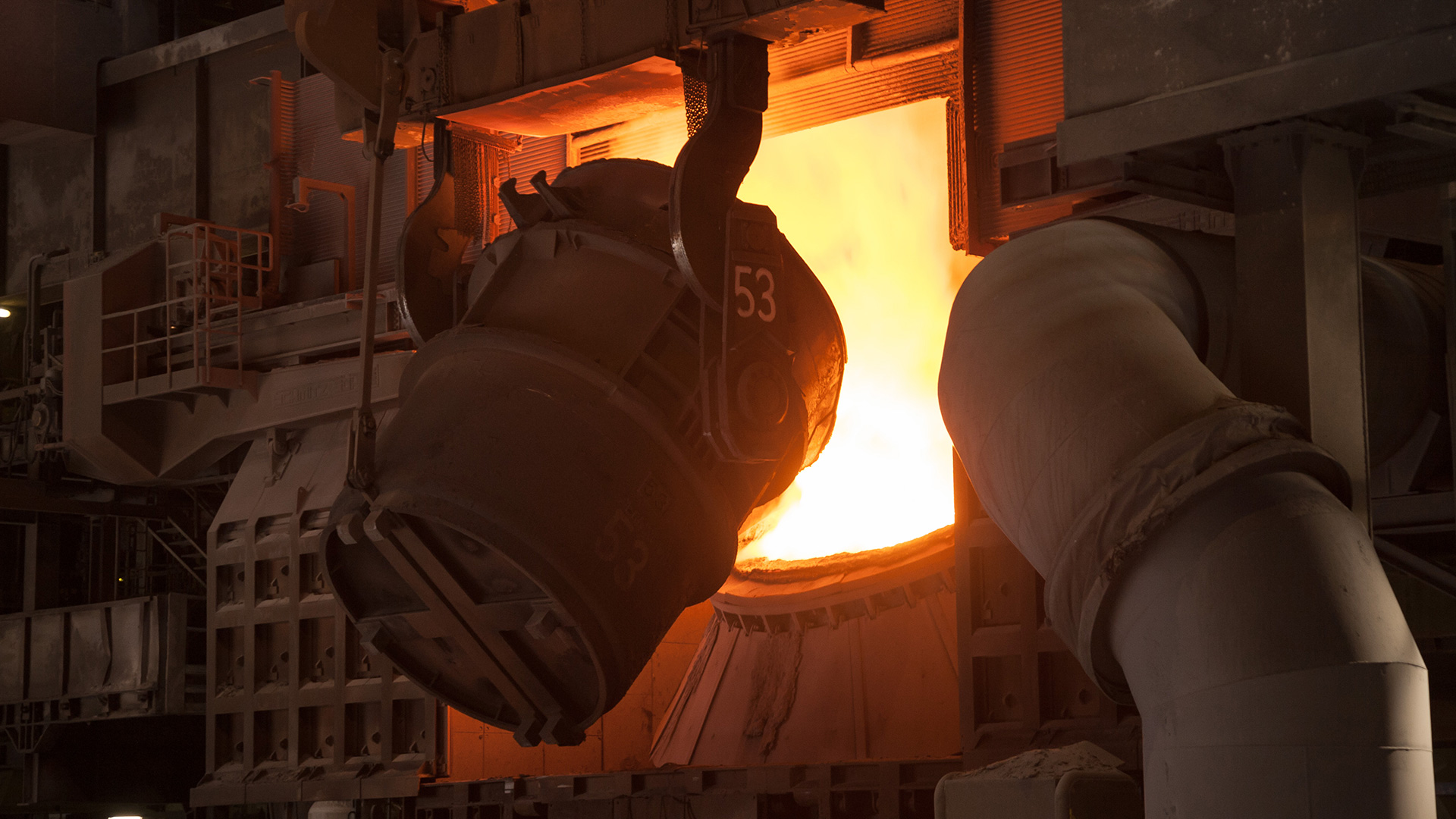
  • Thermoelectricity – electricity from industrial waste heat

    Thermoelectricity – electricity from industrial waste heat

    2015 was a successful year. Through our activities, we were able to connect many stakeholders across the entire value chain and help lay the foundation for success—in both the scientific and business communities—in all of North Rhine-Westphalia’s key markets.

    We are equally pleased by the positive feedback from the state government, which in October once again commissioned us to continue our work, as we are by observing and evaluating the progress of the projects we have initiated in order to derive ideas for future activities and to secure—and further expand—North Rhine-Westphalia’s economic success and leadership in innovation.

    It’s already becoming clear that 2016 will be “full of music,” and I’m already looking forward to working closely with you in the new year. At the end of last year, we—together with various partners—launched a NRW-wide company survey as part of the “Lightweight Construction Initiative.” I would like to take this opportunity to express my sincere thanks for the active participation and the feedback, which even went beyond the scope of our survey. The survey—which aims to highlight the potential of North Rhine-Westphalia’s companies in this promising industry while also identifying potential weaknesses—is currently being evaluated. We are eager to see the results, which we will incorporate into our strategy. You can find more information about our activities in the field of multimaterial lightweight construction on our website, on our portal, and in upcoming issues of our magazine.

    In mid-February, the Ministry of Innovation, Science, and Research of the State of North Rhine-Westphalia will launch an exciting funding competition on the topic of “thermoelectric generators” with an interesting kick-off event. For this event, the ministry and we were able to bring together many high-profile speakers from research and industry to inform interested parties about the state of the art and potential industrial applications. These generators are capable of converting “waste heat” into electrical current, thereby making it usable. With energy demand steadily rising and the significantly increased need for resource-efficient and sustainable production processes, this technology is not only in line with current trends but also offers many advantages over conventional technologies—including the fact that the generators are largely maintenance-free—and a significantly broader range of potential applications.