
Key technologies in NRW
From the smallest structures to major leaps in innovation.
Key technologies are the foundation for innovation in nearly all fields of the future—often invisible, but always crucial.
They enable more powerful products, more efficient processes, new applications, and technological breakthroughs in industry, research, and society.
NMWP.NRW has been focusing on these technologies since 2009 and highlights where expertise, applications, and potential are emerging in North Rhine-Westphalia. We view key technologies not as isolated fields of expertise, but as the foundation for value creation, competitiveness, and transformation.
On this page, we show why nanotechnology, nano- and microsystems technology, innovative materials, and photonics—as well as related topics such as quantum technologies—are so important for NRW—and how they enable new developments in products, applications, and services.
Key technologies are everywhere
They shape products, processes, and applications—often invisibly, but crucially.
Key technologies stand at the beginning of many value chains
New materials, structures, and systems lay the foundation for industrial innovation.
Key technologies bridge industries and disciplines
They build bridges between industry, research, startups, practical applications, and politics.
Nanotechnology
Nanotechnology begins when structures become so small that they are no longer visible to the naked eye—and materials suddenly develop new properties. “Nano” primarily describes a scale: a nanometer is one-billionth of a meter. What matters, however, is not just the small size itself, but what it makes possible. Surfaces can become more reactive, materials more stable, coatings more functional, particles more conductive, and optical properties can be specifically modified. This is precisely why nanotechnology is found in so many applications today, even if it isn’t always explicitly referred to as such—for example, in functional surfaces, catalysts, battery materials, sensor technology, medical technology, displays, and semiconductor processes.
Nano- and microsystem technology
Nano- and microsystems technology makes it possible to perform complex functions in the smallest of spaces. While the focus used to be primarily on microsystems technology, structural dimensions, manufacturing processes, and levels of integration have continued to evolve. Today, the focus is on miniaturized systems in which sensors, actuators, electronics, materials, and data processing work together. They measure, control, regulate, and respond—often without the user even noticing. Whether in smartphones, vehicles, medical technology, production facilities, or smart infrastructure, many applications seem to work “as if by magic” because, behind the scenes, highly integrated systems precisely capture information and translate it into actions.
Innovative Materials
Materials are the foundation of nearly every technical innovation. From the Stone Age through the Bronze Age to the Silicon Era, materials have demonstrated just how profoundly they shape technological development. Even today, progress often begins with materials: semiconductors enable microelectronics, lightweight construction materials reduce weight and energy consumption, functional surfaces create new properties, and high-performance materials make extreme loads manageable. The BMFTR points out that around 70 percent of all product innovations are based on improved or novel material properties—a strong argument for viewing materials not as a supplier detail, but as a key strategic technology.
Photonics
Photonics uses light as a tool, a carrier of information, and a precision instrument. It encompasses technologies that generate, control, measure, or harness photons for various applications—ranging from lasers, optical sensors, and imaging to fiber-optic communications, displays, medical technology, manufacturing, and quantum technologies. The BMFTR describes photonics as the science that studies photons and translates that knowledge into technologies; together, photons appear as beams of light or laser beams. Photonics is particularly relevant in industrial manufacturing: Lasers have become versatile tools for precise, flexible, and resource-efficient production processes.
Latest insight into key technologies
Key technologies are constantly evolving. In our reports, magazines, and position papers, we analyze current developments and highlight where new applications, expertise, and opportunities for collaboration are emerging in North Rhine-Westphalia.
-
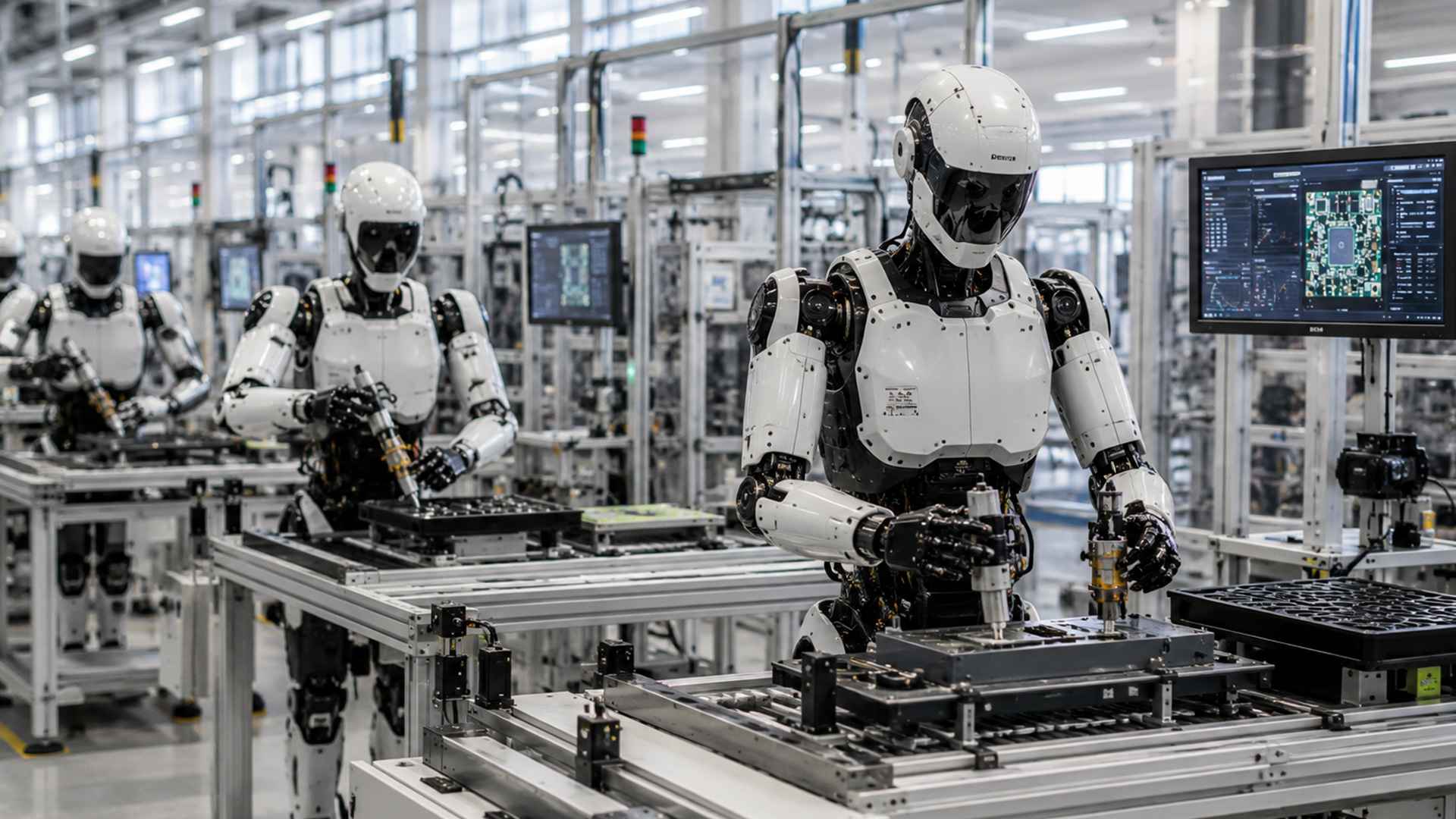
Series #18: Key technologies for industrial AI and robotics in NRW
-

Series #19: NRW builds on high-tech: innovations in the construction and building materials industries
-
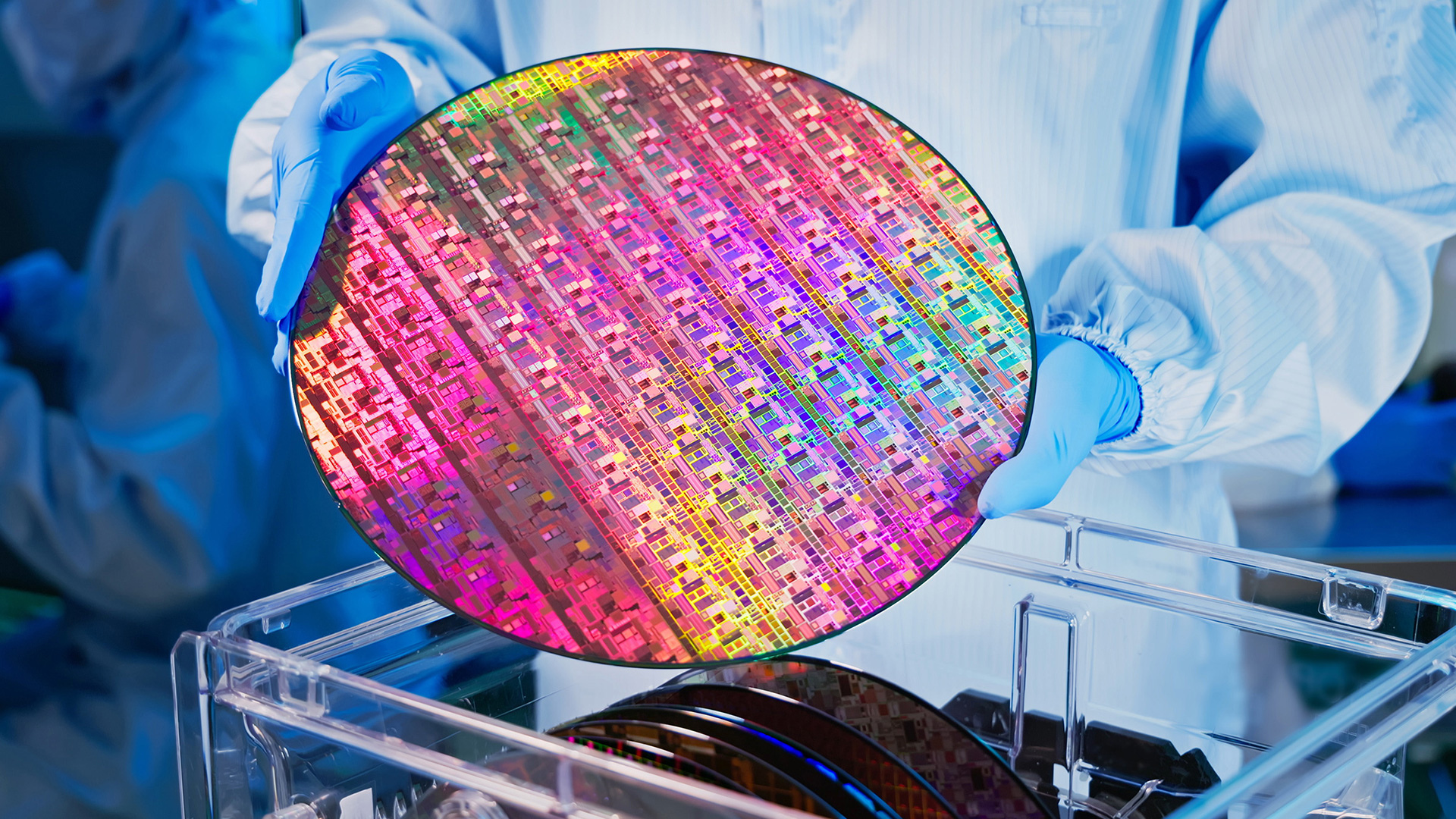
Whitepaper “Semiconductors and microelectronics in NRW: Industrial value creation, resilience, and future opportunities”
-

Hydrogen for structural change in NRW
You can find more ideas on the home page.